
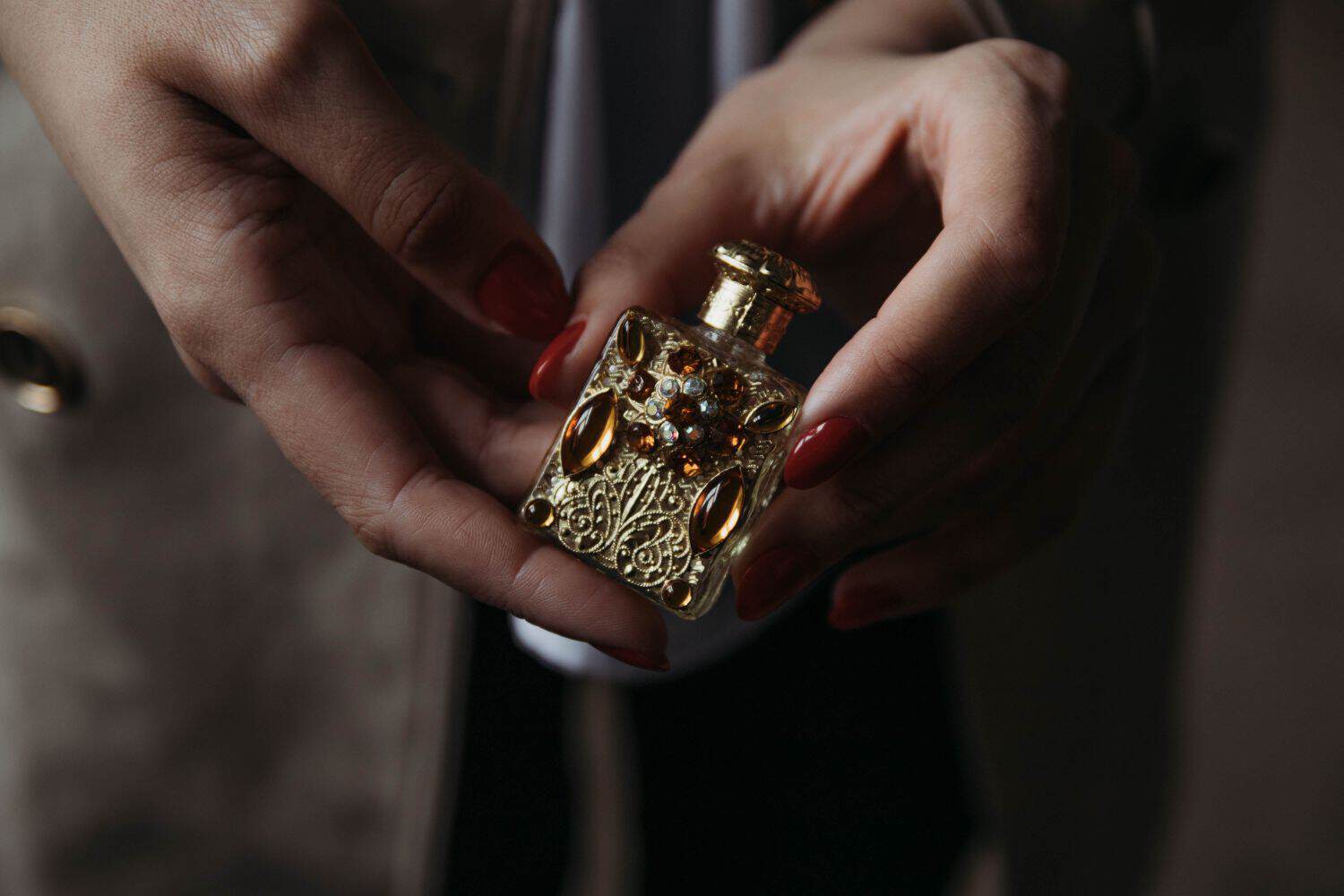
Before oud oil reaches a perfumer’s bench, it begins with resin inside a tree. In Trat, agarwood growing and distilling take place on the mainland of a province often associated with Ko Chang, Ko Kut and island holidays.
The mainland has its own fragrance story. Agarwood is grown as a crop, selected wood goes into distillation, and the resulting oil becomes an ingredient for perfumers. For someone who knows oud as a note in a favourite perfume, the plantations and stills show where that ingredient begins.
Agarwood in Trat’s Farming Landscape
Trat lies on Thailand’s eastern Gulf coast, close to the Cambodian border. Its agriculture includes fruit orchards and rubber, with agarwood among the crops grown in Bo Phloi, in Bo Rai district. Durian, rambutan and mangosteen are part of the same area’s farming economy.
One of the trees behind the agarwood trade is Aquilaria crassna, known in Thai as kritsana. Native to mainland Southeast Asia, it grows in Thailand’s eastern region, including Trat and neighbouring Chanthaburi. It is a tropical tree whose value to the fragrance trade comes from the aromatic resin that can form within its wood.
Agarwood businesses in Bo Phloi were already raising seedlings and distilling oil in the 2000s. Nursery growers supplied young trees, while other operators worked on resin formation or turning wood into oil. The trade has roots in local farming as well as fragrance production.
Trat’s agarwood at a glance
- Setting: Mainland eastern Thailand, between the Gulf coast and the Cambodian border.
- Tree: Aquilaria crassna, an agarwood-producing species found in the region.
- Local activities: Seedling growing, agarwood cultivation and oil distillation.
From Resinous Wood to Fragrance Oil
Agarwood forms as Aquilaria trees respond to injury and other stresses, including microbial attack. Resin accumulates in parts of the wood, creating the aromatic material used for incense and oil. Growers can also use deliberate induction techniques to encourage that response in cultivated trees.
The resin develops unevenly, which makes wood selection an important part of production. After harvest, resin-bearing material is separated from ordinary wood and prepared for its intended use. Pieces can be kept for burning as fragrance, while material selected for oil is prepared for distillation.
Preparation also changes how the wood behaves in a still. Breaking it into smaller pieces increases the surface exposed to water, helping extraction reach the aromatic material. It is one of the practical steps between a harvested log and the oil a distiller can recover.
In a distillation setup, heat and water carry volatile aromatic compounds out of the prepared wood. Cooling turns the vapour back into liquid, from which the oil is collected. The distiller is working with the material the grower has produced, so wood selection and the way a batch is distilled both contribute to the final oil.
Oudimension’s Plantation and Distillery in Trat
Oudimension brings cultivation and distillation together in Trat. Its oud oil from Trat is made from Aquilaria crassna grown on the company’s own plantation, with distillation at its factory in Khao Saming district.
The family’s agarwood business began through Ameenah International in 1982. The Trat factory started operating in 2013, and Oudimension was established as a separate company in 2019. Its work in the province brings that family background into cultivation, wood preparation and distillation.
The production sequence includes selecting and preparing wood, distilling it, separating the oil and inspecting the result. Its products also include agarwood chips, showpieces, powder and incense tablets and sticks. Post-distillation wood powder can be used in incense production, extending the use of material beyond the oil collected from a batch.
From Trat to the Fragrance Trade
For a perfumer, distilled oud is an ingredient to work into a fragrance. For an incense business, the wood itself may be the product, or powder may become part of a finished stick or tablet. The same tree species can therefore feed several kinds of fragrance business, each using a different form of the material.
Oudimension supplies business buyers across Asia, the Middle East, Europe and the Americas, including fragrance manufacturers, importers and distributors. Its Trat operation connects local cultivation and distillation with those overseas customers.
Trat’s connection with oud lives in this practical work: raising the trees, selecting the aromatic wood and running the stills. A bottle may travel far from the province, but its production story starts on the mainland.


